Java OOP – Introduction
August 4, 2020 1 min read
Before the using of concept Object Oriented Programming (OOP), people used the structural programming methodology.
In structural programming, coding effort is very high and also complex. So to reduce the coding effort and complexity, James Gosling created the concept of Object Oriented Programming.
Object oriented system design is another aspect to come up with the system design models. In Object Oriented concept we are working with elements such as objects, classes etc. Because analysis and design is strongly related to programming, we should briefly explore this programming context before proceeding to analysis and design.
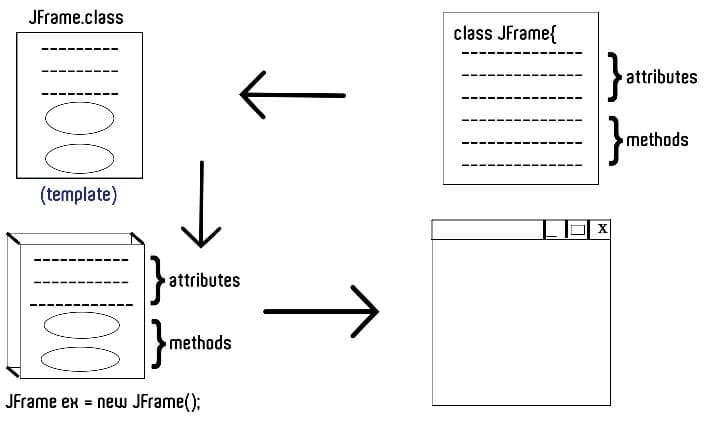
Advantages of object oriented programming (OOP) are,
- Fast and easier.
- Provides a clear structure for the programs.
- Helps to keep the java code DRY (Don’t Repeat Yourself).
- Possible to create full reusable applications with less code and shorter time.
There are 4 major principals in OOP concept.
- Encapsulation
- Abstraction
- Polymorphism
- Inheritance
Let’s discuss about these four pillars of OOP in the future articles.
The most popular OOP languages are,
- Java
- JavaScript
- Python
- C++
- Visual Basic .NET
- Ruby
- Scala
- PHP
But in this tutorial we discuss about OOP in Java language only.
My next topic in the next article is Java Classes/Objects/Attributes. See you there.
Thank you.